Building my shopping feed
A feed ranked off my taste, used to curate new arrivals from my favorite brands.
Build a taste profile from clothes I own or like.
I wanted to build my own taste profile to power a custom curated shopping feed. So, I built a profile from clothes already in my closet and styles I found and pinned on Pinterest.
Pull new products from favorite brands.
Many Shopify brands expose their catalog online in a JSON object. I pull new arrivals daily, normalize them, and track what changed. Some brands block that path behind Cloudflare, so in that case the feed runs through a headless browser.
Raw · drakes/products.json
// one record, as the brand serves it
{
  "title": "Forest Green Brushed
   Shetland Crew Neck Jumper",
  "vendor": "Drake's",
  "product_type": "Knitwear",
  "variants": [{ "price": "345.00",
     "available": true, … }],
  "images": [{ "src": "…_2048x.jpg" }]
}
Normalized · one row in my table
Clean up the product images.
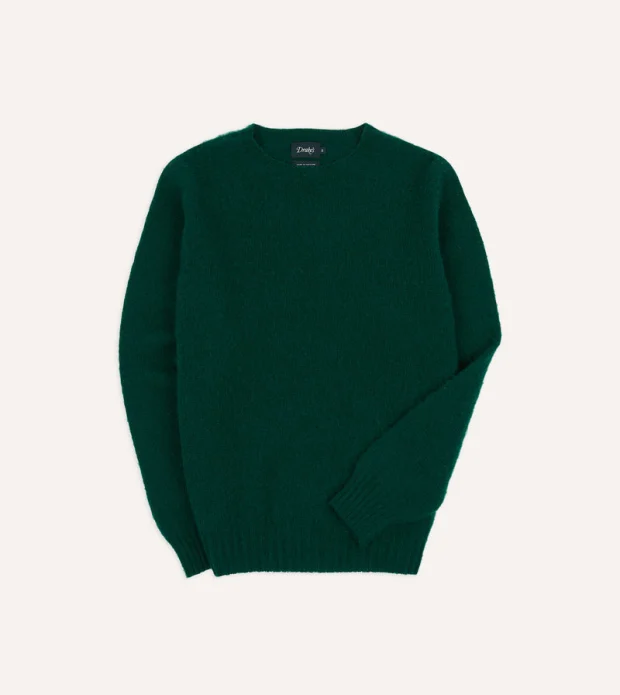
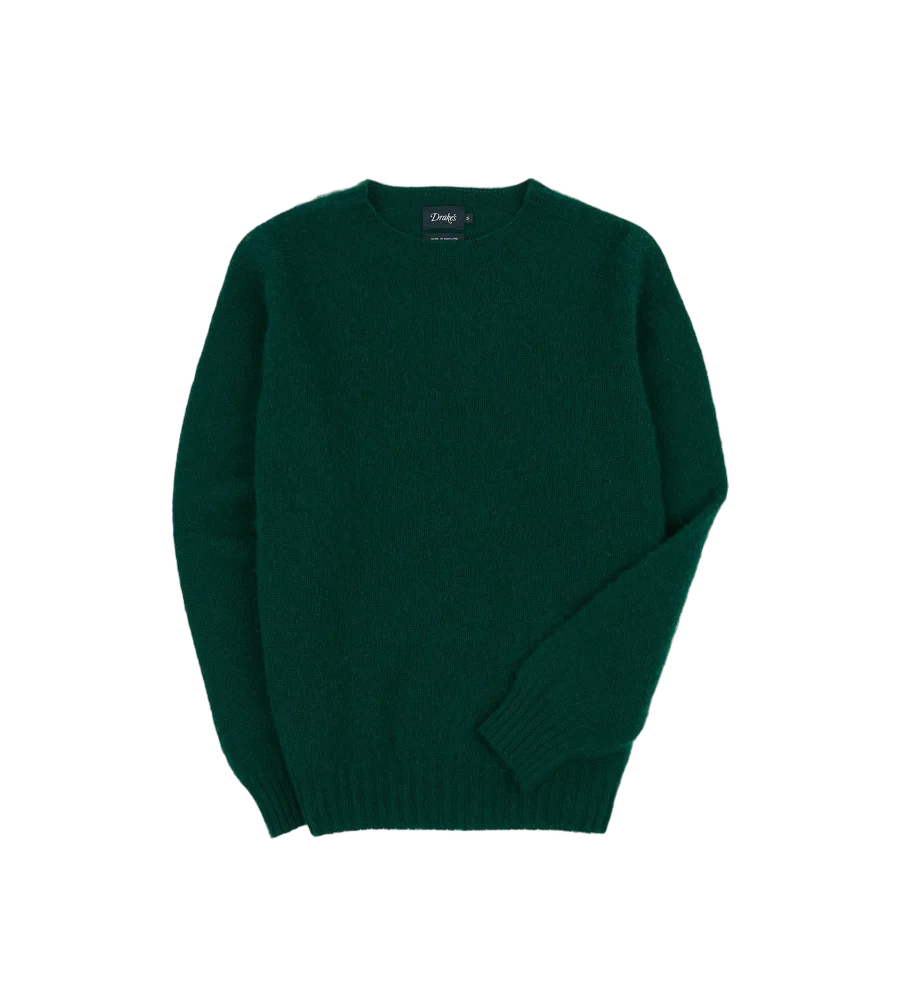
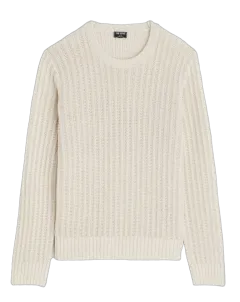
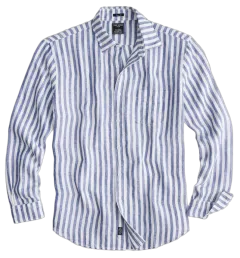
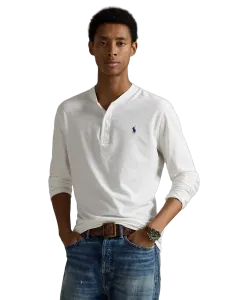
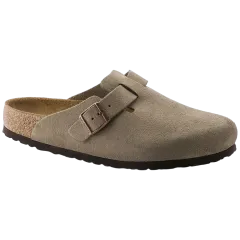
Pins are mostly lifestyle photos, so I cut out the garment. I do the same for catalog shots to keep embeddings focused on the item, not irrelevant details like the setting or lighting.


Embed each product as a vector.
Each product cut-out and its text data goes through a 150M-parameter multi-modal model fine-tuned for fashion. The output vector makes similar garments searchable by visual and textual traits.
Rank each product by similarity to the taste profile.
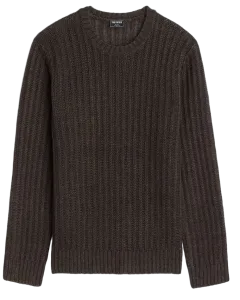
For each product, I find the five nearest taste-profile items and average their cosine similarity to ensure it's over a minimum similarity threshold. This helps keep out products that don't align with my aesthetic. There's no trained recommender; the taste profile sets the ranking and fit bar.
Drake's · Shetland crew
The actual scoring · rerank-products.ts
taste_score = (
  SELECT sum(sim * weight) / sum(weight)
  FROM (
    SELECT 1 - (product.vec <=> t.vec) AS sim, t.weight
    FROM taste_items t
    ORDER BY product.vec <=> t.vec ASC
    LIMIT 5
  ) nearest
)
-- <=> is pgvector cosine distance · 1 - distance = similarity
Hire my own wardrobe stylist.
Outfits drive purchases, so I built a stylist agent. It styles within rules, then a deterministic verifier catches slot errors, product reuse, single-brand looks, and dishonest rationales, then sends failures back for repair.
You are Cole's personal menswear stylist. Build complete outfits he would actually wear, from the available inventory.
- Mix brands. Never a whole look from one label.
- One outer layer at most. Don't stack jackets.
- Contrast, don't match. Vary texture; one piece carries the color.
- Keep formality coherent. One register per look.
- Choose the shoe on purpose; it finishes the look.
- Don't reuse a product; no shoe in more than two looks.
Pick only from the candidate pool, by exact id. Each "why" must describe only the pieces in that look.
To tune the rules and prompt, I generated hundreds of outfits from the stylist and two baselines: plain cosine match and taste-only pick. I rated each one blind on would-wear 1 to 5 and failure flags, then kept changes that beat both baselines.
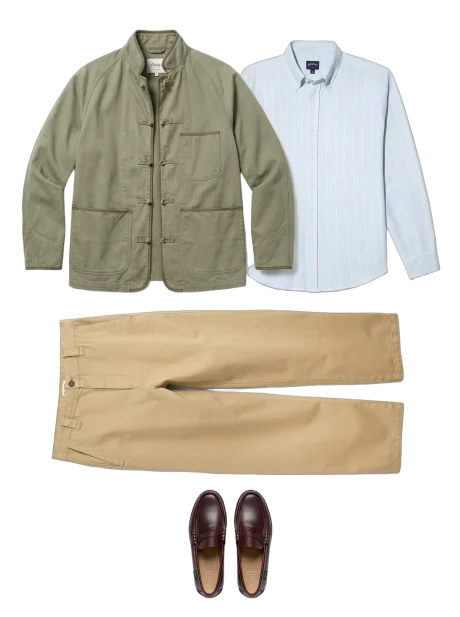
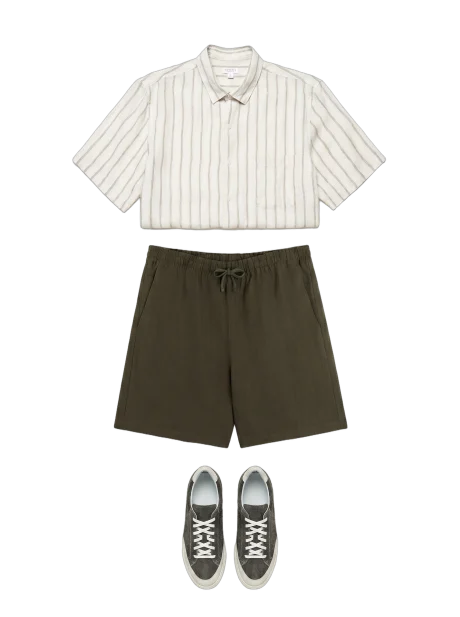
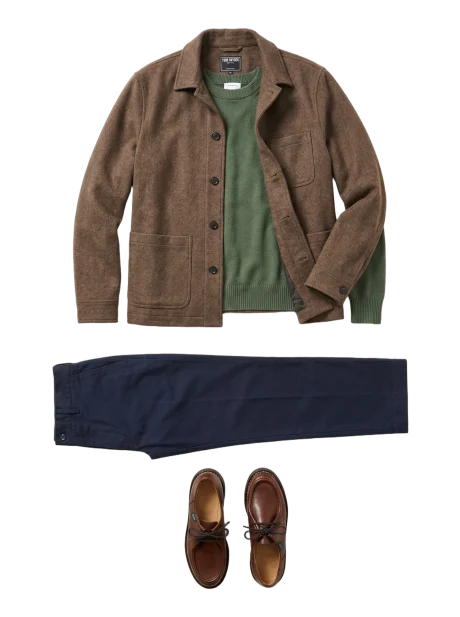
Merchandise top products as outfits.
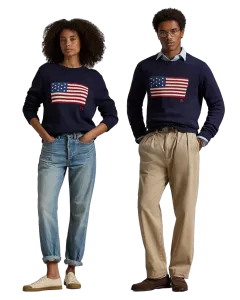
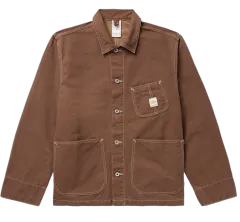
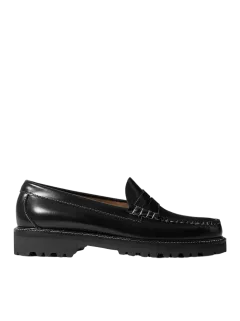
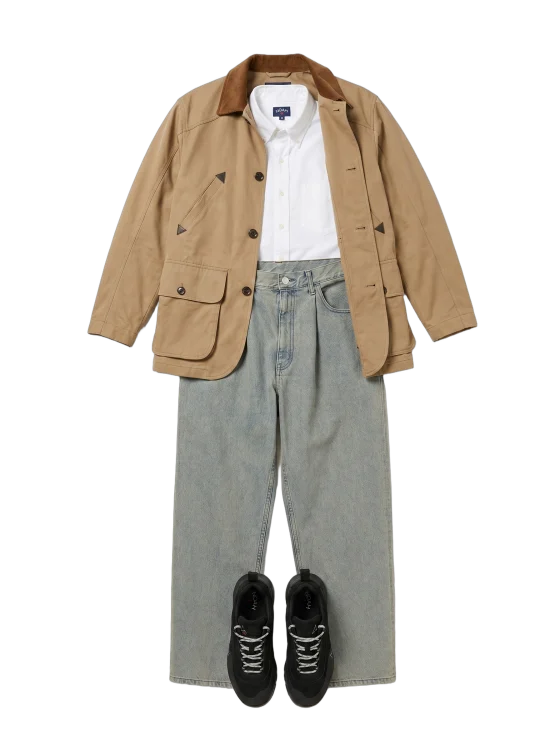
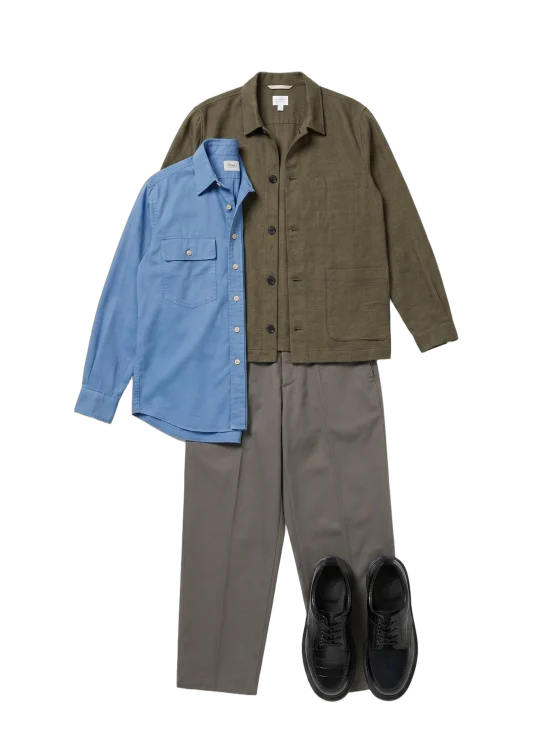
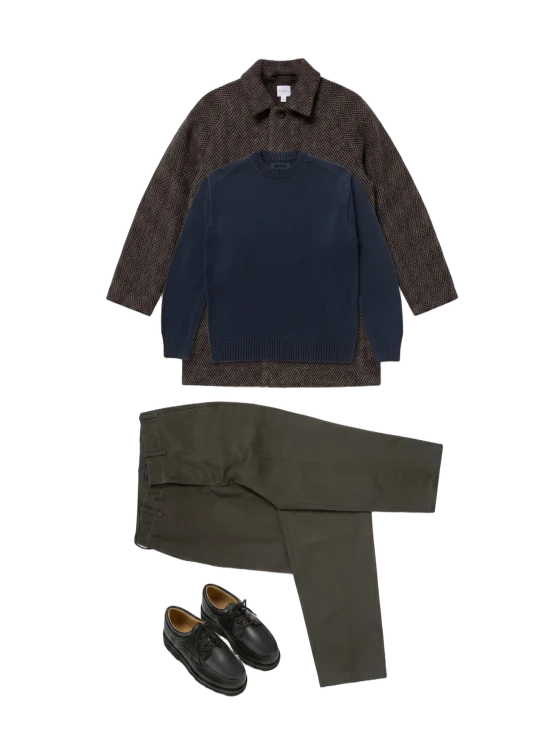
With the agent tuned, it pulls from the top-ranked products and assembles complete looks by slot. Each outfit is then rendered as a styled flat-lay to help visualize the full look without a human model.


Future plans
- 1
Let people sign up, onboard their taste, and run the pipeline on their own feed.
- 2
Add brand discovery and search so I can pull new brands into the feed.
- 3
Track price drops and restocks on pieces I have saved.
- 4
Add affiliate attribution through the product pipeline so the feed can pay for itself.
- 5
Generate a daily outfit that reads my calendar and the weather.
- 6
Fold in light behavioral signal, saves and skips, to sharpen ranking past the cold start.
- 7
Send a weekly digest of the best new arrivals across the brands.
- 8
Explore pulling brand catalogs in from Shopify's Catalog via UCP.